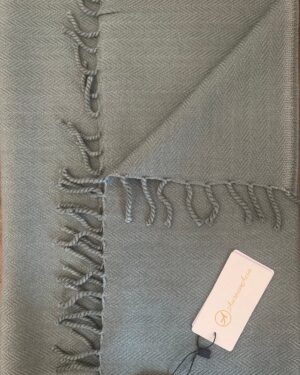
Herringbone
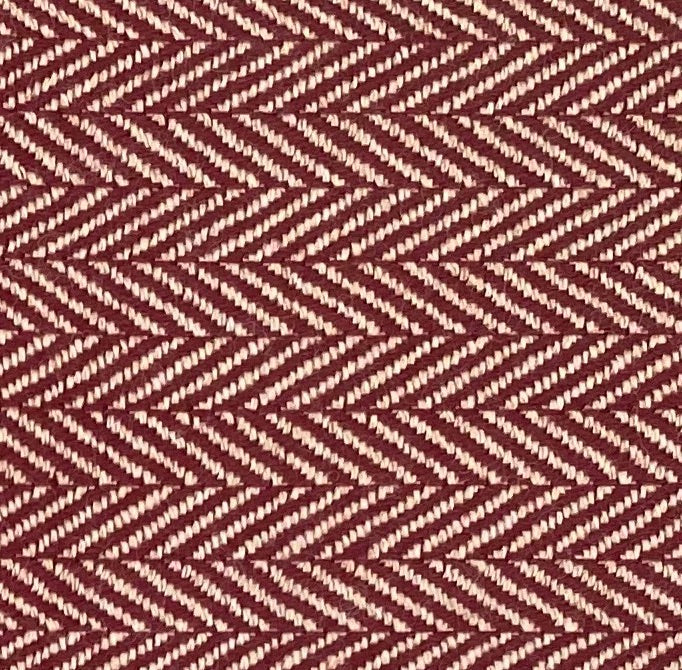
The herringbone pattern is a distinctive V-shaped weave created by alternating the direction of the yarns, forming a broken zig-zag that resembles the skeletal bones of a herring fish—hence the name. This weaving technique dates back centuries and has been used across European tailoring, Persian textiles, and traditional Scottish wool mills.
What makes herringbone enduring is its quiet sophistication. It is subtle—not loud or ornate—yet it adds movement, depth, and texture to a fabric. The alternating weave reflects light differently across each segment, giving the surface a soft dimensional sheen that feels refined and tactile.
Unlike bold prints that come and go with trends, herringbone’s appeal lies in its balance of structure and elegance. It works equally well in luxurious wool scarves, silk blends, suiting, outerwear, and interiors. It suggests taste without trying too hard—making it a favourite among designers who value understatement.
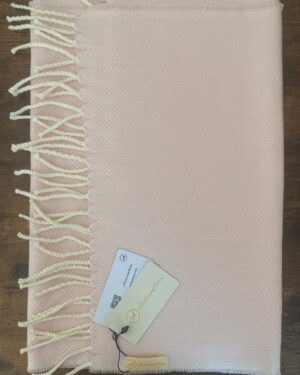
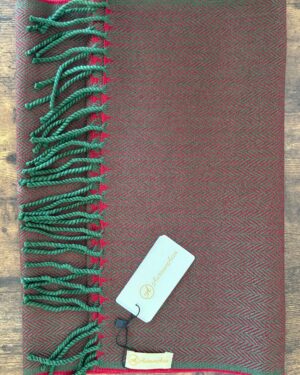
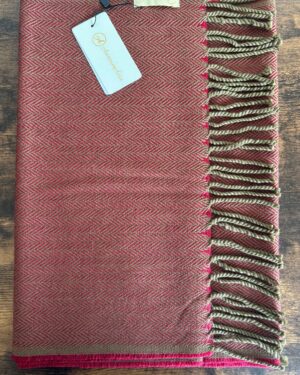
A herringbone scarf brings heritage craftsmanship into the modern wardrobe. It can be worn professionally or casually, adding a layer of polish that feels effortless. That’s why this pattern has remained relevant for over a thousand years:
it’s timeless, versatile, quietly confident—and always in style.